
All Puja Services & Details
Choose a Puja to read what it is, why it is performed, how it is traditionally conducted and when it can be arranged. For exact vidhi and muhurat, please consult the pandit.

Griha Pravesh Puja
Ganesh Puja
Lakshmi Puja
Rudrabhishek

Navagraha Puja

Bhoomi Pujan
Vastu Puja

Marriage Puja

Havan / Homam

Online Puja
Baglamukhi Puja
Pitambara Puja
Navgraha Shanti Puja
Durga Puja
Sundarkand Path
Mahamrityunjaya Jaap
Shani Puja
Navratri Puja
Chandi Puja
Daily Puja
Monthly Puja
Puja Information
Satyanarayan Puja
What is this Puja? A devotional पूजा dedicated to Lord Vishnu, commonly performed for gratitude, peace and family well-being.
Why is it performed? For spiritual peace, family harmony, gratitude and auspicious beginnings.
How is it performed? On a suitable muhurat, sankalp is taken, Lord Satyanarayan is worshipped, कथा is recited, offerings are made and prasad is distributed.
When can it be performed? Purnima, special occasions, birthdays, anniversaries, new beginnings or as advised by the family pandit.
Griha Pravesh Puja
What is this Puja? A traditional ceremony performed before entering a new home to begin residence with auspicious prayers.
Why is it performed? To seek auspiciousness, peace and a positive beginning in a new residence.
How is it performed? The home is purified, Ganesh and Vastu prayers are performed, havan may be conducted and the family enters according to the chosen muhurat.
When can it be performed? Before moving into a new house, after construction or major renovation.
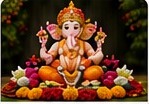
Ganesh Puja
What is this Puja? A worship of Lord Ganesha, traditionally invoked before important beginnings and ceremonies.
Why is it performed? To begin work with devotion and seek wisdom and obstacle-free progress.
How is it performed? Sankalp, Ganesh avahan, mantra chanting, offerings and aarti are performed according to family tradition.
When can it be performed? Before new work, business openings, studies, ceremonies and special family occasions.
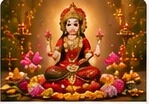
Lakshmi Puja
What is this Puja? A devotional worship of Goddess Lakshmi associated with prosperity, gratitude and household well-being.
Why is it performed? To pray for prosperity, harmony and responsible well-being.
How is it performed? The worship area is prepared, Lakshmi-Ganesh pujan, mantra chanting, offerings and aarti are performed.
When can it be performed? Diwali, business occasions, new ventures and other auspicious days.
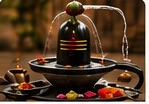
Rudrabhishek
What is this Puja? A Shiva worship involving abhishek and Vedic chanting according to the selected vidhi.
Why is it performed? For devotion, inner peace and spiritual strength.
How is it performed? A pandit performs sankalp, Shiva abhishek with prescribed offerings, Rudra mantras and aarti.
When can it be performed? Mondays, Shravan, Mahashivratri or a suitable family occasion.
Navagraha Puja
What is this Puja? A traditional worship of the nine ग्रह, performed with prayers for balance and harmony.
Why is it performed? To seek spiritual balance and peace through traditional Navagraha worship.
How is it performed? Sankalp, Navagraha avahan, mantra chanting, prescribed offerings and shanti prayers are performed.
When can it be performed? On an auspicious date or as advised by a knowledgeable pandit.
Bhoomi Pujan
What is this Puja? A traditional prayer before beginning construction or work on land.
Why is it performed? To begin land or construction work with devotion and traditional blessings.
How is it performed? The site is prepared, sankalp is taken and prayers are offered to seek an auspicious start before construction.
When can it be performed? Before foundation work, construction or a major new project.
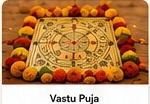
Vastu Puja
What is this Puja? A traditional puja performed in connection with a home or workspace and its auspicious use.
Why is it performed? To seek peace and harmony in the space.
How is it performed? Purification, sankalp, Vastu prayers, prescribed offerings and sometimes havan are performed.
When can it be performed? Before occupying a new home, office or after significant renovation.
Marriage Puja
What is this Puja? Traditional Hindu wedding rituals conducted according to family custom and regional sampradaya.
Why is it performed? To solemnize marriage with sacred vows and traditional rituals.
How is it performed? Rituals such as Ganesh puja, kanyadaan, vivah mantras, pheras and blessings are conducted as applicable.
When can it be performed? On the selected wedding date and muhurat.
Havan / Homam
What is this Puja? A Vedic fire ritual in which prescribed offerings are made while mantras are chanted.
Why is it performed? For devotional worship, purification and completion of traditional ceremonies.
How is it performed? The kund is prepared, sankalp is taken, agni is invoked and offerings are made according to the selected ritual.
When can it be performed? As part of Griha Pravesh, Shanti Puja, special occasions or standalone rituals.
Online Puja
What is this Puja? A remote participation option for families who cannot be physically present.
Why is it performed? For convenient participation while maintaining devotional connection.
How is it performed? The puja is arranged with prior coordination and the family can join through an agreed online method.
When can it be performed? When family members are away or remote participation is preferred.
Baglamukhi Puja
What is this Puja? A देवी उपासना performed according to proper tradition and guidance of a qualified pandit.
Why is it performed? For devotional worship and spiritual discipline; the exact ritual should follow qualified guidance.
How is it performed? The vidhi, sankalp, mantras and offerings are selected according to the tradition and purpose of the ceremony.
When can it be performed? Only after proper consultation regarding tradition, date and required vidhi.
Pitambara Puja
What is this Puja? A devotional puja associated with Pitambara Devi traditions and performed according to the relevant sampradaya.
Why is it performed? For devotion, spiritual strength and traditional worship.
How is it performed? Sankalp, deity worship, mantra recitation, offerings and aarti are performed following the chosen tradition.
When can it be performed? On an appropriate date or festival according to family tradition.
Navgraha Shanti Puja
What is this Puja? A focused shanti ritual involving prayers to the Navagraha for peace and harmony.
Why is it performed? For traditional prayers seeking peace, balance and harmony.
How is it performed? The pandit performs sankalp, graha worship, mantras, offerings and shanti prayers according to the selected vidhi.
When can it be performed? On a suitable muhurat after consultation with a qualified pandit.
Durga Puja
What is this Puja? Devotional worship of Goddess Durga following family and regional tradition.
Why is it performed? For devotion, courage and spiritual strength.
How is it performed? Devi avahan, mantra chanting, offerings, aarti and prescribed rituals are performed.
When can it be performed? Navratri and other auspicious Devi worship occasions.
Sundarkand Path
What is this Puja? A devotional recitation of Sundarkand from the Ramcharitmanas.
Why is it performed? For devotional remembrance and spiritual inspiration.
How is it performed? The text is recited with devotion, followed by prayers, aarti and prasad as arranged.
When can it be performed? Tuesday, Saturday or any suitable devotional gathering.
Mahamrityunjaya Jaap
What is this Puja? A Shiva mantra-based devotional ritual conducted with prescribed chanting and puja.
Why is it performed? For prayer, peace and spiritual support.
How is it performed? Sankalp, Shiva worship and the agreed number of mantra repetitions are performed by qualified practitioners.
When can it be performed? On an auspicious date or as advised for a family ceremony.
Shani Puja
What is this Puja? Traditional worship associated with Lord Shani and discipline, devotion and reflection.
Why is it performed? For devotional prayers seeking patience, balance and spiritual strength.
How is it performed? Sankalp, Shani worship, mantra chanting and offerings are performed according to tradition.
When can it be performed? Often on Saturday or another suitable date.
Navratri Puja
What is this Puja? Nine-day devotional worship of the Divine Mother, following family or regional tradition.
Why is it performed? For devotion, discipline and celebration of Shakti traditions.
How is it performed? Daily worship, mantra chanting, aarti and special observances are arranged according to the chosen practice.
When can it be performed? During Navratri or for a selected Devi worship ceremony.
Chandi Puja
What is this Puja? A traditional Devi worship that should be performed according to the prescribed पाठ and sampradaya.
Why is it performed? For devoted worship of the Divine Mother following proper tradition.
How is it performed? The ceremony may include sankalp, पाठ, mantra recitation, offerings, havan and aarti as applicable.
When can it be performed? On an appropriate date with a qualified pandit and agreed ritual plan.
Daily Puja
What is this Puja? A regular home worship service that can be arranged according to family deity and routine.
Why is it performed? To maintain a regular devotional routine at home or workplace.
How is it performed? Simple daily worship, mantra chanting, aarti and offerings are performed as agreed.
When can it be performed? Daily, weekly or on a recurring schedule.
Monthly Puja
What is this Puja? A recurring monthly puja plan for families who wish to maintain regular traditional worship.
Why is it performed? For consistent devotional practice and planned family worship.
How is it performed? A monthly schedule is planned and the selected puja is performed with agreed samagri and vidhi.
When can it be performed? Monthly on a chosen tithi, date or recurring schedule.